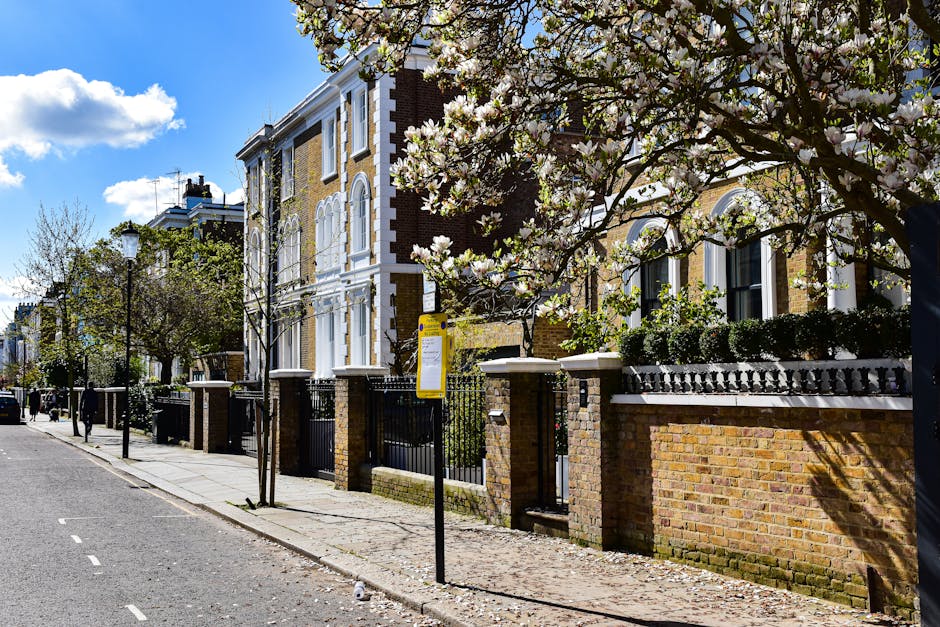
Ilchester Gardens removals guide for Holland Park flats

If you are planning a move in Ilchester Gardens, you already know this is not a standard "load a van and go" sort of job. Holland Park flats often come with tight access, awkward stairwells, shared entrances, neighbour considerations, and the usual London pressure of getting everything done neatly and on time. This Ilchester Gardens removals guide for Holland Park flats walks you through the practical side of moving well, from planning and packing to storage, access, and the common mistakes that catch people out. Truth be told, the smoother moves are usually the ones decided before moving day even arrives.
Whether you are leaving a compact flat, moving into a larger apartment, or shifting furniture around while renovating, the aim is simple: reduce stress, protect your belongings, and keep the day moving. And yes, you can absolutely do that without making the whole thing feel like a minor crisis.
Why Ilchester Gardens removals guide for Holland Park flats Matters
Moving in a prime residential street like Ilchester Gardens is about more than getting boxes from A to B. Flats in this part of London can be deceptively tricky: you may have limited parking, narrow hallways, awkward building layouts, lift restrictions, time-sensitive access, or a mix of valuable furniture and fragile items that need careful handling. A rushed plan tends to create friction fast. One person is waiting downstairs with a trolley. Another is still hunting for tape. Someone else is trying to work out which key opens which door. Not ideal.
That is why a focused removals guide matters. It helps you think through the move the way a good crew would: access first, protection second, and speed only once those two are under control. For flats, that order genuinely makes a difference. You save time, reduce damage risk, and avoid those annoying little delays that somehow become the whole day.
There is also a financial angle. Poor planning can lead to multiple trips, extra lifting, temporary storage, or avoidable replacement costs if furniture is damaged. By contrast, a well-prepared flat move feels calmer, more organised, and usually easier on the wallet too. If you want a broader sense of moving support beyond this local guide, the main removals service page is a useful place to start, and for apartment-specific moves, flat removals is especially relevant.
Expert summary: In Ilchester Gardens, the biggest moving wins usually come from planning access, reducing clutter, and choosing the right-sized moving setup. The move itself is only half the job.
Table of Contents
- Why Ilchester Gardens removals guide for Holland Park flats Matters
- How Ilchester Gardens removals guide for Holland Park flats Works
- Key Benefits and Practical Advantages
- Who This Is For and When It Makes Sense
- Step-by-Step Guidance
- Expert Tips for Better Results
- Common Mistakes to Avoid
- Tools, Resources and Recommendations
- Law, Compliance, Standards, or Best Practice
- Options, Methods, or Comparison Table
- Case Study or Real-World Example
- Practical Checklist
- Conclusion
- Frequently Asked Questions
How Ilchester Gardens removals guide for Holland Park flats Works
A successful flat removal normally follows a simple pattern, though the details matter. First, you assess the property and the access route. Then you decide what is moving immediately, what needs protection, and what is better stored temporarily. After that, you organise packing, lift or stair use, parking, and the timing of the move.
In a place like Ilchester Gardens, this often means thinking beyond the flat itself. Where will the vehicle stop? Is there enough space for carrying furniture safely from the entrance to the van? Can larger items turn through corners without scraping walls? Are there fragile items that should be kept upright and clearly labelled? These are small questions, but they are the difference between a clean move and a messy one.
It also helps to decide early whether you need a full moving team, a simple man-and-van arrangement, or a combined removals and storage solution. A one-bed flat with a few pieces of furniture is very different from a larger apartment with dining furniture, art, wardrobes, and boxed household contents. If you are not sure what level of support fits your move, the site's man and van option is worth comparing with the more comprehensive house removals and removals and storage services.
What a typical flat move sequence looks like
- Confirm moving date and building access.
- Measure large furniture, doorways, and hallways.
- Declutter and separate keep, donate, recycle, and store items.
- Pack room by room and label clearly.
- Protect floors, corners, mirrors, and high-value furniture.
- Move the most awkward items first while everyone is fresh.
- Load the van strategically so fragile items stay secure.
- Unload in the right order at the new flat.
That sequence sounds basic, and that is the point. Most removal stress comes from skipping one of the boring-looking steps. Boring is good on moving day.
Key Benefits and Practical Advantages
The main benefit of approaching Ilchester Gardens removals properly is control. You are not just reacting to problems as they happen; you are reducing the chance of them appearing in the first place. That matters in flats, where one blocked corridor or one oversized sofa can slow everything down.
- Less damage risk: careful packing and measured handling reduce knocks, scratches, and chipped corners.
- Better time management: when the route and load order are planned, the move tends to run far more smoothly.
- Lower stress: having a clear plan stops decision fatigue on the day itself.
- More efficient storage use: if some items are not needed straight away, storage can keep the flat uncluttered.
- Cleaner handover: in rental flats especially, a tidy departure helps with inspections and deposit concerns.
There is a practical comfort in moving without chaos. You come into the new flat, put the kettle on, and find the box with mugs immediately instead of three hours later. Small wins, but they add up. If your move involves items that need short-term holding between homes, consider short-term storage or, for longer pauses, long-term storage.
And if you are dealing with bulkier furniture, using furniture storage can be a very sensible bridge between one flat and the next. That is especially true when the new place is smaller, or you simply want to settle in before bringing everything back in.
Who This Is For and When It Makes Sense
This guide is for anyone moving within or from Ilchester Gardens who wants a practical, flat-specific approach rather than generic moving advice. It is especially useful if you live in a top-floor apartment, a period conversion, or a property with limited common-area space. Those details matter more than people expect. A move that looks straightforward on paper can become awkward in five minutes if the access route is tight and the wardrobe is not.
It also makes sense if you are:
- moving out of a rented flat and need to leave it tidy;
- moving into Holland Park and want to protect new floors and furniture;
- splitting belongings between a flat and storage during a renovation;
- downsizing and not everything will fit immediately;
- moving a small number of items and want a practical, cost-aware option.
If you only have a few items, a smaller service can be enough. If you have a full household of furniture, boxed books, and fragile pieces, a broader removals plan is usually wiser. For compact jobs, small removals can be a neat fit. For student-sized or lighter loads, the same logic often applies, even if the move is local and not especially dramatic.
To be fair, some people only realise what they need after the first box is half-packed. That is normal. The trick is not to leave the decision too late.
Step-by-Step Guidance
Here is a clear way to plan a smooth flat move in Ilchester Gardens without overcomplicating it.
1. Start with access, not boxes
Before you pack anything, measure the main routes. Check front door widths, stair turns, internal corridors, and the route from the building to the vehicle. If there is a lift, confirm whether it is suitable for furniture and whether it can be reserved or protected. A few centimetres can decide whether a sofa goes through smoothly or becomes a whole afternoon's problem.
2. Make a room-by-room inventory
List the major items in each room. You do not need a museum archive. Just enough detail to understand what is moving, what may need dismantling, and what deserves extra protection. This is the stage where people usually discover the "mystery box" in the wardrobe, the spare lamp under the bed, and the chair they forgot they owned.
3. Sort items into keep, store, sell, recycle
Decluttering before a flat move saves money and time. If an item is not going into the new flat, decide now where it goes. Items you want to keep but cannot place straight away can go into self storage or secure storage, depending on your needs.
4. Pack with the move order in mind
Pack the least-used items first and the essentials last. Label each box with the room and a short contents note. Fragile items should be cushioned properly and not overfilled. Heavy books belong in small boxes, not giant ones that test everyone's back.
5. Protect the flat and the furniture
Use covers, blankets, corner protection, and floor runners where needed. In flats, protecting hallways and doorframes is often just as important as protecting the furniture itself. A tiny scuff on a painted wall can feel surprisingly annoying when you are trying to get your deposit or property handover sorted.
6. Plan loading order carefully
Load the van so heavy items go in first and delicate items are buffered safely. Keep essentials accessible if you will need them before the rest of the load is unloaded. This sounds obvious, but everyone has a story about the box with the keys, medication, charger, or coffee maker being buried under six chairs. Not ideal at 7 a.m.
7. Unpack in a practical order
Start with beds, bedding, kettle, basic kitchen items, and any work essentials. Then move through the rest of the rooms. There is no prize for unpacking all the decorative cushions first. Get the life stuff working, then the nice-to-have bits.
Expert Tips for Better Results
Here are the small improvements that make a surprisingly big difference in a Holland Park flat move.
- Book the access window early: if your building has shared entry points or lift considerations, time matters more than people think.
- Keep one "first night" bag: include chargers, toiletries, medication, key documents, a change of clothes, and snacks.
- Dismantle furniture before the day if you can: wardrobes, bed frames, and shelving units are easier to manage when they are already broken down.
- Photograph cable setups: it takes seconds and saves a headache later.
- Wrap high-friction furniture edges: tables and wardrobes often get damaged where corners rub during carrying.
- Plan for parking and loading distance: even a short walk to the van becomes tiring after the eighth trip.
A useful mental rule: the more awkward the item, the earlier it should move. Sofas, mirrors, mattresses, and large artwork should not be left until everyone is tired and slightly impatient. That is when accidents happen.
If you are moving business items, files, or work equipment alongside domestic belongings, think about how you will separate them. Business materials often do better in dedicated business storage or document storage rather than sitting in a pile in the corner of the flat for weeks.
Common Mistakes to Avoid
Most moving mistakes are predictable. That is the annoying part. The good news is that they are also avoidable.
- Underestimating access: many people measure furniture and forget to measure the route.
- Packing too late: last-minute packing leads to weak boxes, poor labels, and forgotten essentials.
- Ignoring storage needs: not everything must move in one go.
- Using oversized boxes for heavy items: they look efficient until someone has to carry them up stairs.
- Not separating fragile pieces: glass, mirrors, lamps, and framed art need proper handling.
- Forgetting building rules: some flats have practical restrictions around loading, lift use, or move timing.
A small but common one: people assume the van will "just fit outside." In a neighbourhood like this, that can be optimistic. It is better to confirm the stopping point and walk distance than to discover the issue with half the furniture already by the front door. Honestly, that's a mood killer.
Tools, Resources and Recommendations
You do not need a mountain of specialist equipment, but the right basics make life much easier. Think of this as your sensible moving kit.
- Strong boxes: different sizes for books, clothes, kitchenware, and mixed items.
- Packing tape and labels: do not rely on memory. You will regret it.
- Furniture blankets and covers: especially useful for wooden surfaces, upholstery, and painted edges.
- Bubble wrap or paper wrap: for fragile items, glass, and electronics.
- Tools for dismantling: screwdrivers, Allen keys, and small bags for fittings.
- Storage options: if your move dates do not line up, storage can keep everything calm.
For people moving out of a small flat or managing a delayed completion, mobile self storage can be a practical middle ground because it helps reduce repeated handling. And if you prefer a more classic storage setup, removals and storage keeps the process nicely joined up.
One often overlooked recommendation: keep a simple contents list for each box, even if it is rough. "Kitchen misc," "winter clothes," and "study cables" is enough. You do not need poetic labels. You need speed.
Law, Compliance, Standards, or Best Practice
For flat removals, the most relevant compliance concerns are usually practical rather than dramatic. You are mainly dealing with safety, access, property care, and any building-specific requirements that apply to residents or contractors. It is sensible to follow standard UK moving best practice: lift heavy items safely, avoid blocking exits, protect shared areas, and check whether the building manager or landlord has move-day expectations.
Insurance is another important consideration. A professional mover should be clear about cover, limits, and what is and is not included. If you are comparing options, take a look at the site's insurance and safety information and the health and safety policy so you know what standards are being followed in practice.
Payments and terms matter too, especially if your move is split across days or involves storage. Before you book, it is smart to check payment and security details as well as the terms and conditions. That way there are fewer surprises. Moving day has enough surprises already.
For households that care about waste and responsible disposal, the recycling and sustainability approach is also worth noting, especially if you are clearing unwanted furniture or packaging during the move.
Options, Methods, or Comparison Table
Different moves call for different methods. Here is a straightforward comparison to help you choose the right setup for a Holland Park flat.
| Option | Best for | Strengths | Watch-outs |
|---|---|---|---|
| Man and van | Small flat moves, a few rooms, light furniture | Flexible, practical, often cost-conscious | May be less suitable for large or complex loads |
| Flat removals | Typical apartment moves with furniture and boxes | More structured, better for delicate access and packing needs | Requires clearer planning and scheduling |
| Removals and storage | Moves with timing gaps, renovations, downsizing | Convenient when dates do not line up | Needs good inventory control |
| Short-term storage | Temporary overflow or staged moving | Useful for flexibility | Best when you know items will return soon |
| Long-term storage | Belongings not needed for a while | Good for space management | Consider access needs before choosing it |
There is no single "best" choice. A studio flat with a handful of items may suit a lighter setup, while a furnished apartment with fragile pieces often benefits from a more planned removals approach. A little judgement goes a long way here.
Case Study or Real-World Example
Imagine a couple moving from a two-bedroom flat in Ilchester Gardens to another London apartment with a later completion date. They have a dining table, a sofa, boxed kitchenware, a bookcase, two mattresses, and a few fragile lamps. The new place is not ready for two weeks. If they try to force everything into temporary awkward corners, the move becomes cluttered immediately.
Instead, they split the job into two parts. The essentials go first. The bulky furniture and spare boxes are kept in short-term storage while the new flat is prepared. The moving day becomes shorter, the new home feels less crowded, and unpacking is easier because they are not working around an avalanche of stuff. Simple, but effective.
That sort of staged move is very common in London flats, particularly where access is tight or works are being done before people fully settle in. It is not glamorous. But it works.
Practical Checklist
Use this checklist before moving day so you are not relying on memory at the last minute.
- Confirm moving date and time window.
- Check access, parking, and lift arrangements.
- Measure large furniture and doorways.
- Decide what will be moved, stored, sold, or recycled.
- Pack an essentials bag for the first 24 hours.
- Label boxes by room and contents.
- Protect fragile items and furniture corners.
- Keep keys, documents, and chargers somewhere easy to find.
- Arrange storage if there is a gap between move-out and move-in.
- Review insurance, terms, and payment details before booking.
One-line reminder: do not pack the kettle in the last box unless you enjoy inconvenience.
Conclusion
An Ilchester Gardens move does not need to be complicated, but it does need to be thought through. The flats, access routes, and timing pressures in Holland Park all reward people who plan carefully and keep the process practical. If you focus on access, protect your furniture, separate what needs storage, and choose the right moving support, the day becomes far easier to manage.
That is really the heart of this guide. A good flat move is not about rushing harder; it is about organising better. And when you get that part right, the whole thing feels lighter. Calmer too.
If you are comparing services or trying to work out the best setup for a flat move in the area, start with the services that match your load size and timing. A little preparation now can save a great deal of stress later.
Get a free quote today and see how much you can save.
Frequently Asked Questions
What makes an Ilchester Gardens flat move different from a standard house move?
Flat moves usually involve tighter access, shared entrances, stairs or lifts, and more careful planning around neighbours and parking. In Ilchester Gardens, that often means access is just as important as the packing itself.
Do I need storage for a Holland Park flat removal?
Not always, but storage helps if your dates do not line up, you are downsizing, or you want to move in stages. For many people, short-term storage is the practical answer.
Is a man and van enough for a small flat move?
Often, yes. If you have a modest load, a few pieces of furniture, and a straightforward access route, a smaller service can work well. If the flat is larger or the furniture is bulky, you may need a fuller removals arrangement.
How far in advance should I book removals in Holland Park?
As early as you reasonably can, especially if your move involves a preferred time slot or difficult access. London moves can become surprisingly tight on scheduling, so earlier is safer.
What should I pack separately for moving day?
Keep essentials with you: keys, phone chargers, toiletries, medication, basic documents, snacks, and a change of clothes. That way you are not hunting through boxes when you are tired.
How do I protect furniture during a flat move?
Use covers, blankets, corner protection, and good packing materials. Dismantling large items where possible also helps reduce scraping and awkward turns through tight spaces.
What if my new flat is not ready yet?
That is where removals and storage can be very useful. You can move out on schedule without forcing everything into a temporary arrangement that creates clutter or damage risk.
Are small removals suitable for one-bedroom flats?
Yes, in many cases. If the move is light and you do not have a huge amount of furniture, small removals can be a sensible fit.
Should I choose self storage or furniture storage?
It depends on what you are storing. Self storage is broad and flexible, while furniture storage is useful when the main concern is keeping larger household items safe and out of the way.
What are the biggest mistakes people make when moving flats?
The most common ones are underestimating access, packing too late, using the wrong box sizes, and forgetting to plan for storage or parking. Those are the ones that create unnecessary stress, nearly every time.
Do I need to worry about insurance?
Yes, at least enough to understand what is covered and what is not. It is sensible to review insurance and safety information before booking so you know where you stand.
Can I move business items from a flat as well?
Yes, but it helps to keep business documents and equipment separate from household goods. For paperwork and records, document storage can be more practical than leaving everything mixed in boxes.